ALMOST RIGHT
Why your photos still don’t look the way you expect after editing
The invisible line between good and bad edits
An educational book for anyone who edits photos and still feels unsure about the result.
You may be new to editing, or you may have done it for years. Either way, you’ve probably had images that looked fine on screen and didn’t hold up later. This book looks at why that happens. Not by teaching techniques, but by examining how edits read, where perception breaks, and how small decisions change meaning.
Who this is for
This book is for you if:
• You edit photos and often feel unsure when to stop
• Your images look “okay” but don’t feel resolved
• You keep adjusting without knowing what you’re fixing
• You sense something isn’t working but can’t name it
You don’t need advanced skills to read this book.
You only need to recognise the problem.
What you’ll gain
This book won’t tell you what style to use.
It will help you understand what your edits are doing.
After reading it, you should be able to:
• See when an image is already working
• Identify problems before reacting with adjustments
• Make fewer changes with more intent
• Stop editing with more confidence
What this book is / isn’t
This book is not:
• A workflow
• A preset system
• A list of settings
• A definition of “good”
This book is:
• An examination of why edits fail after they look acceptable
• A way to think about editing decisions beyond taste
• Language for problems that repeat across skill levels
Editing involves choice.
Perception still has structure.
About the book
Written by Diana Firlag, a working photographer with 12 years of experience, reflecting on real-world photography work, pricing ceilings, and long-term stability.
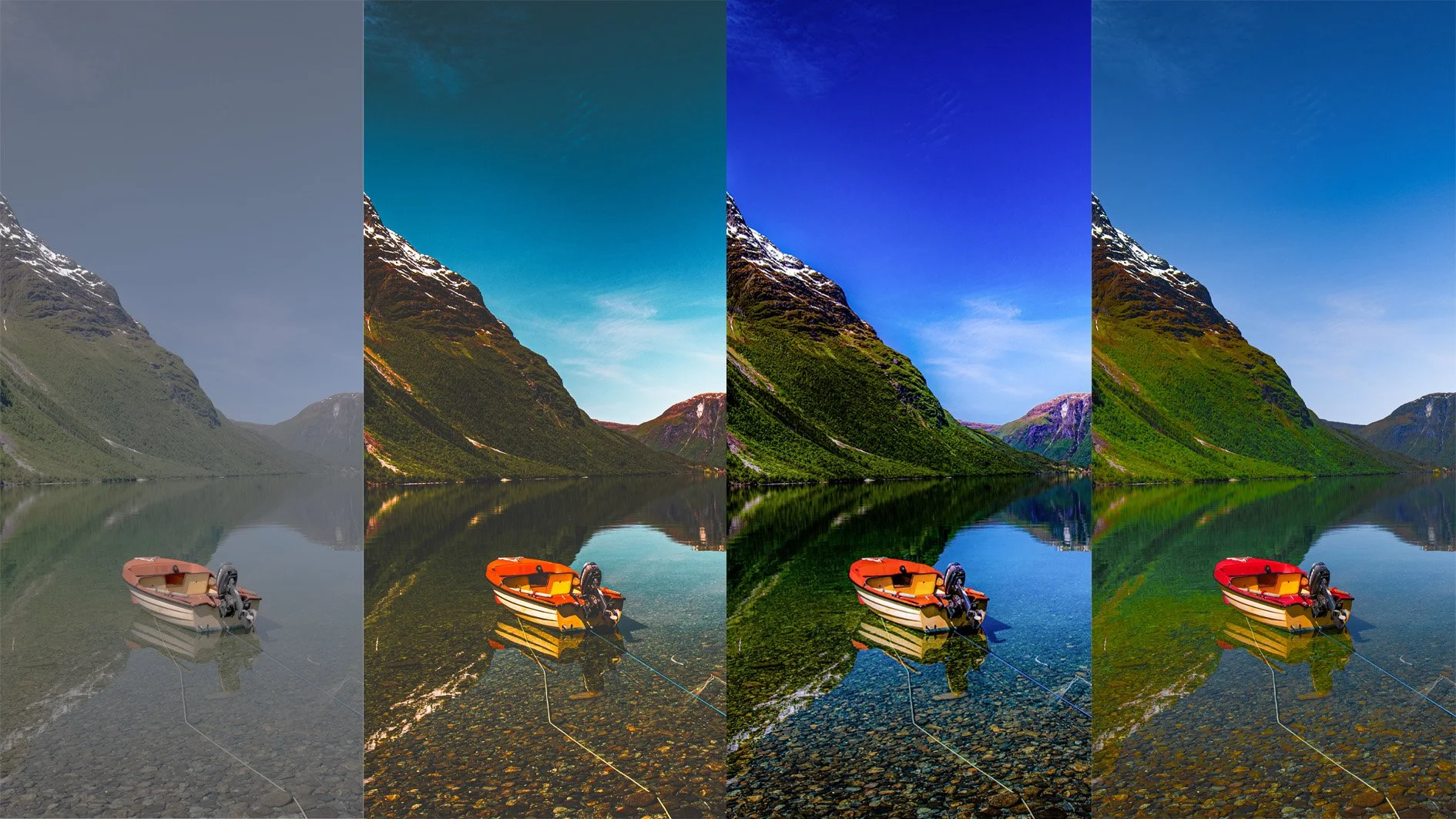
The book is built around image sets:
• one RAW file
• several edits that fail in different ways
• one or two versions that resolve the problem
These images are not instructions.
They are observations.