February brings a different approach to photographing Iceland. Shorter days, low winter light and changing weather make planning important, but they also give familiar landscapes a very different character.
Snow can simplify a composition, black sand creates contrast against ice, and waterfalls become surrounded by frozen textures. For photographers interested in light, shape and atmosphere, there is plenty to work with beyond the northern lights.
What is the light like in February?
The sun stays relatively low in the sky, which can create long shadows and side lighting when the weather is clear. Daylight increases throughout the month, so check sunrise and sunset times for your exact dates and locations.
Clear skies are only one possibility. Overcast conditions can suit ice details, waterfalls and more restrained coastal photographs. Instead of waiting for a particular sunset, look at what the available light is doing to the landscape.
What can you photograph in South Iceland?
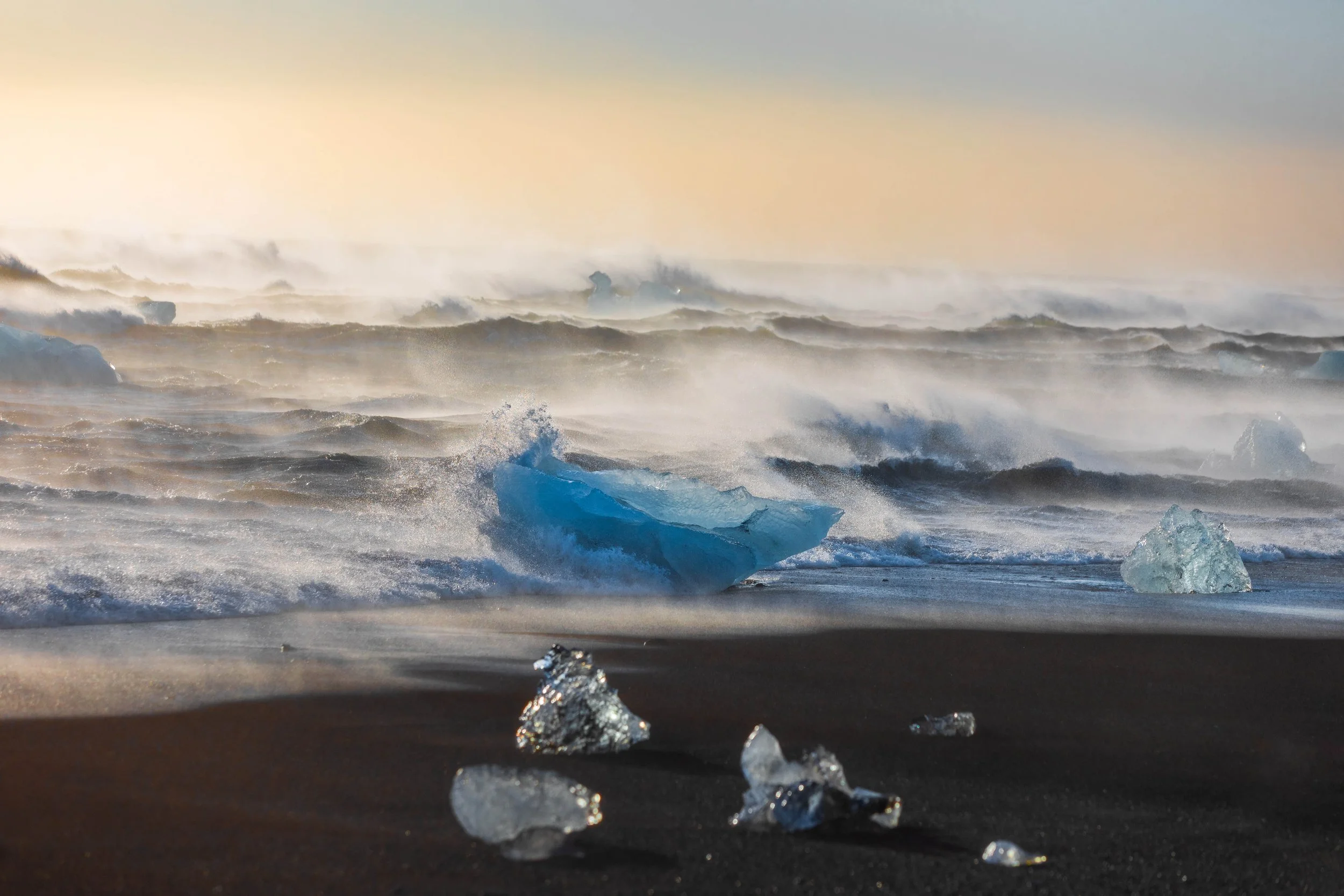
The South Coast offers waterfalls, black sand beaches, sea stacks, glacier environments and ice formations.
These subjects need different approaches. At a waterfall, you might explore how shutter speed changes the movement of water. On the coast, you can work with patterns, layers and the relationship between the sea and the shoreline. A longer lens can help isolate details that disappear in a wider view.
Avoid building a trip around too many stops. Time to observe a location and develop a composition can be more valuable than adding another destination.
Can you photograph the northern lights?
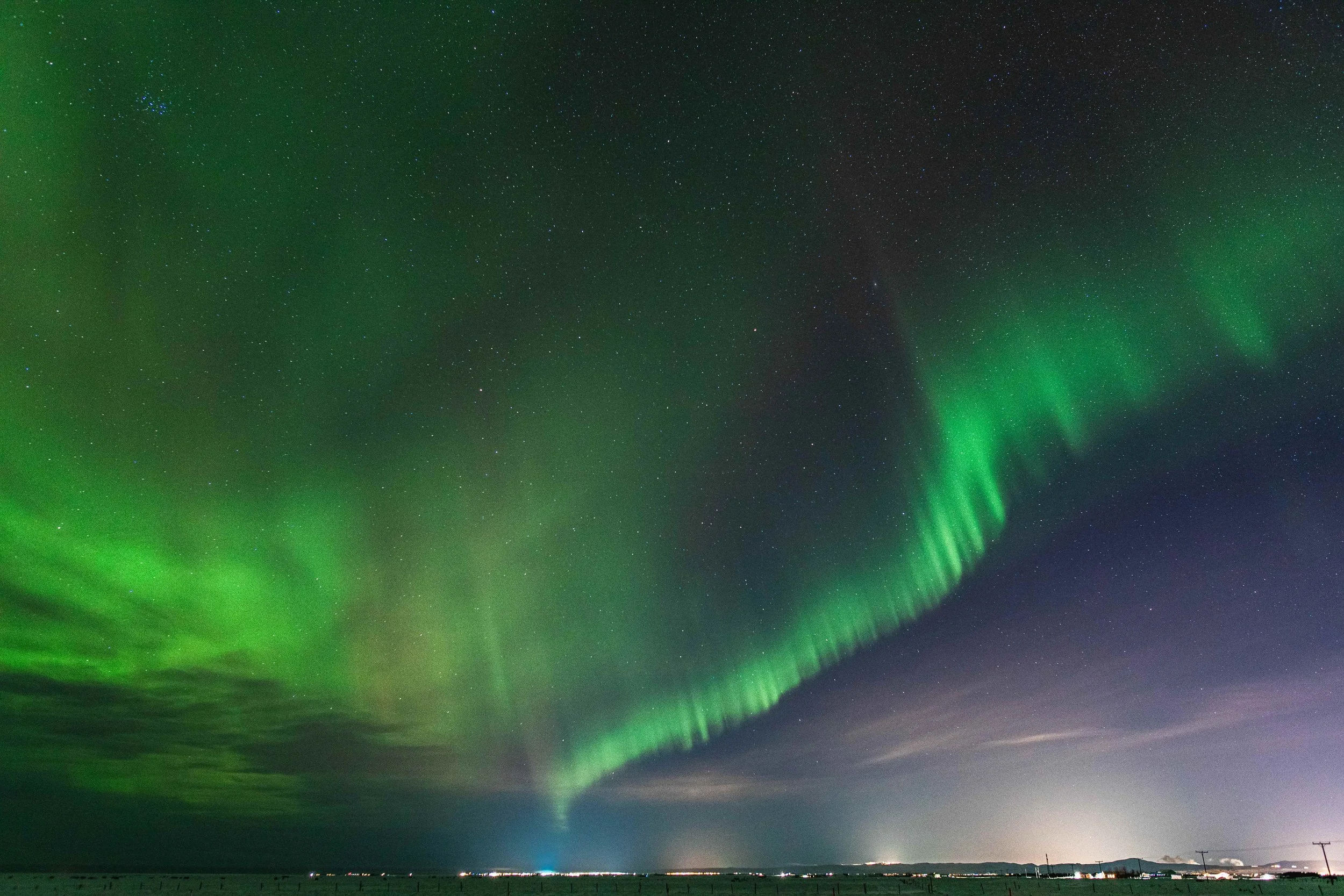
February falls within Iceland’s northern lights season, but a sighting depends on darkness, cloud cover and aurora activity.
Prepare your camera before heading out. Practise manual focusing, know how to change settings in the dark and choose a foreground that works with the sky.
There is no single exposure that suits every display. Faster movement may need a shorter shutter speed to preserve the shape of the aurora. Treat the settings as something to adjust, rather than a formula.
Plan a trip you would enjoy even without a sighting. Iceland’s winter landscapes offer enough photographic interest to make the daytime sessions worthwhile.
Glaciers and ice caves
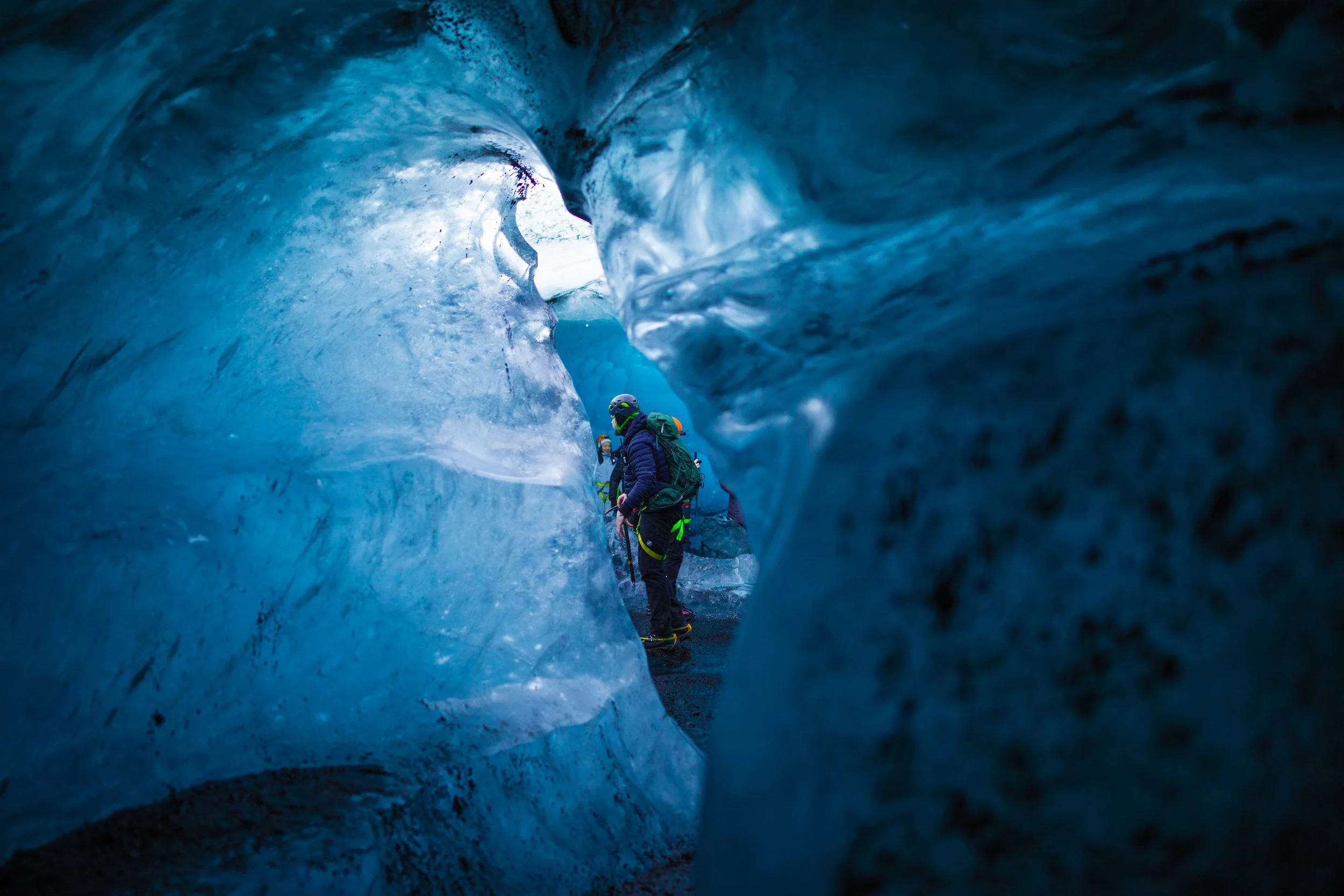
Glacier environments offer opportunities to photograph texture, colour, scale and reflected light. Ice caves change, and photographs from previous seasons should not be treated as a promise of what you will find.
Arrange these experiences with an appropriately qualified local guide. Access and routes depend on current conditions, and photography plans must follow the guide’s safety instructions.
What equipment should you bring?
A camera with manual controls, a dependable tripod and a lens you know well are a useful starting point. A wide angle lens can help with landscapes and aurora photography, while a longer lens gives you options for details and distant subjects.
Bring spare batteries, lens cloths and protection from rain and spray. Warm layers, waterproof outerwear, suitable footwear and gloves you can operate your camera in matter just as much as the equipment.
Leave room to change your plans
Winter weather can affect driving, access and the time available at a location. Check official weather forecasts, road conditions and travel alerts throughout the trip.
Keep distances realistic and allow room for delays. A flexible route gives you a better chance of responding to the conditions safely.
Join a South Iceland photography workshop
I lead winter photography workshops in South Iceland for a maximum of six photographers, with local guidance from Thor Excursions.
The workshops include seven nights’ accommodation with breakfast, Reykjavík pick-up and return, transport throughout the workshop, photography tuition and a guided glacier and private ice cave experience, subject to weather and safe access.
February 2027 departures are 8–15 February and 16–23 February. The price is £2,890 per person, with an £867 deposit to book.
Explore the South Iceland workshop dates and full details here.
