Why I Include Myself in Landscape Photographs
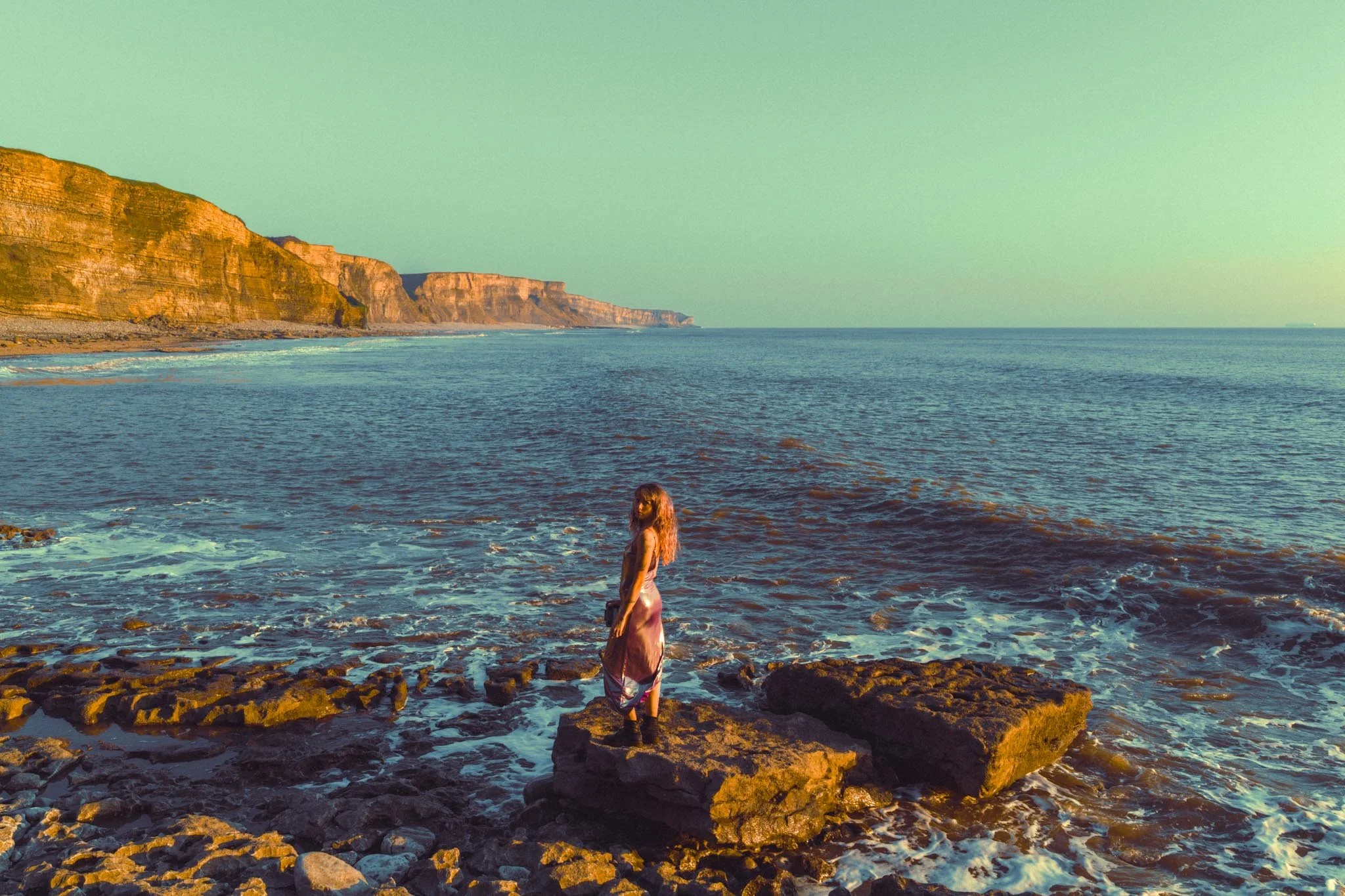
Self-Portraiture in Landscape Photography
INTRODUCTION
I did not always include myself in my landscape photographs. For a long time I was interested only in the place itself. I focused on the light, the shape of the land, the colours in the sky and the way everything came together in front of me. I thought that was enough.
But over time I started to feel that something was missing. The photographs showed where I had been, but they did not fully show what it felt like to stand there. They recorded the location, but not my relationship with it.
I noticed this more when I began returning to the same places. The same landscape never really feels the same twice. The light shifts, the weather changes, and the colours move differently across the scene. But it was not only the landscape that changed. I changed too. My mood, my pace, my thoughts, even the reason I stopped there in the first place. Every visit felt slightly different, even when I was standing in exactly the same spot.
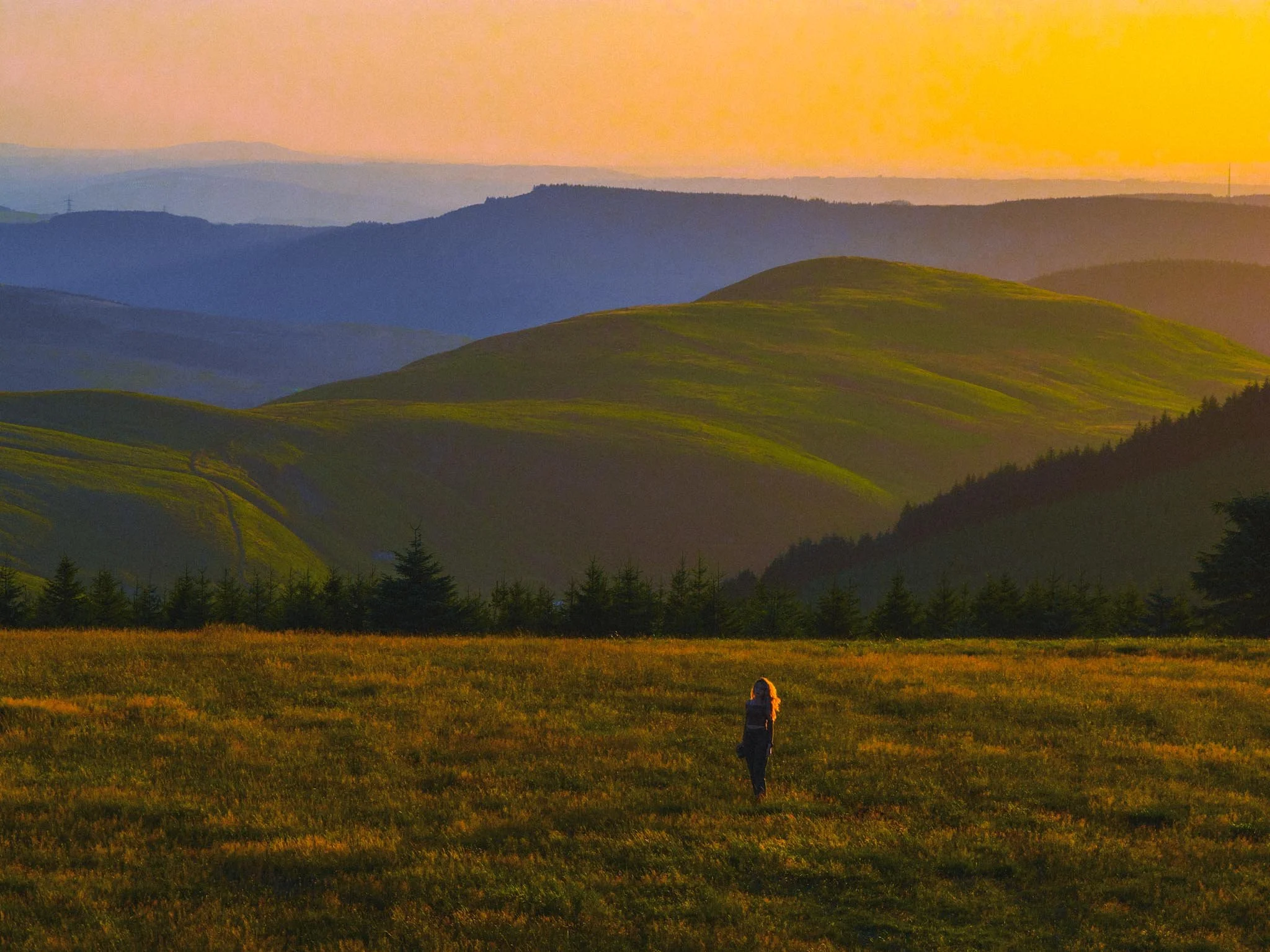
Self-portraiture in landscape can teach you to be present within the landscape
That is when I began to understand that, for me, landscape photography is not only about arriving somewhere and taking a good image. It is also about being present. About spending time in a place and noticing it properly.
Landscape photography can often feel anonymous. It focuses entirely on the scenery and removes the person behind the camera. The viewer sees the location, but not the experience. At some point I realised that I wanted my photographs to say more than simply “this place looked beautiful.” I wanted them to carry something of what it felt like to be there.
Including a person in the frame could help tell that story, but it did not always work when it happened by accident. A random figure in the distance often felt disconnected from the photograph. I realised that by photographing myself, I could control that relationship. I could decide where the figure should be, how small it should appear and how it would sit within the landscape.
That changed the way I approached my work. The photographs became more intentional, but also more personal. They began to feel less like records of places and more like reflections of experience.
Enjoying the article? Follow along on Instagram for more of my work
1. BECOMING PART OF THE LANDSCAPE
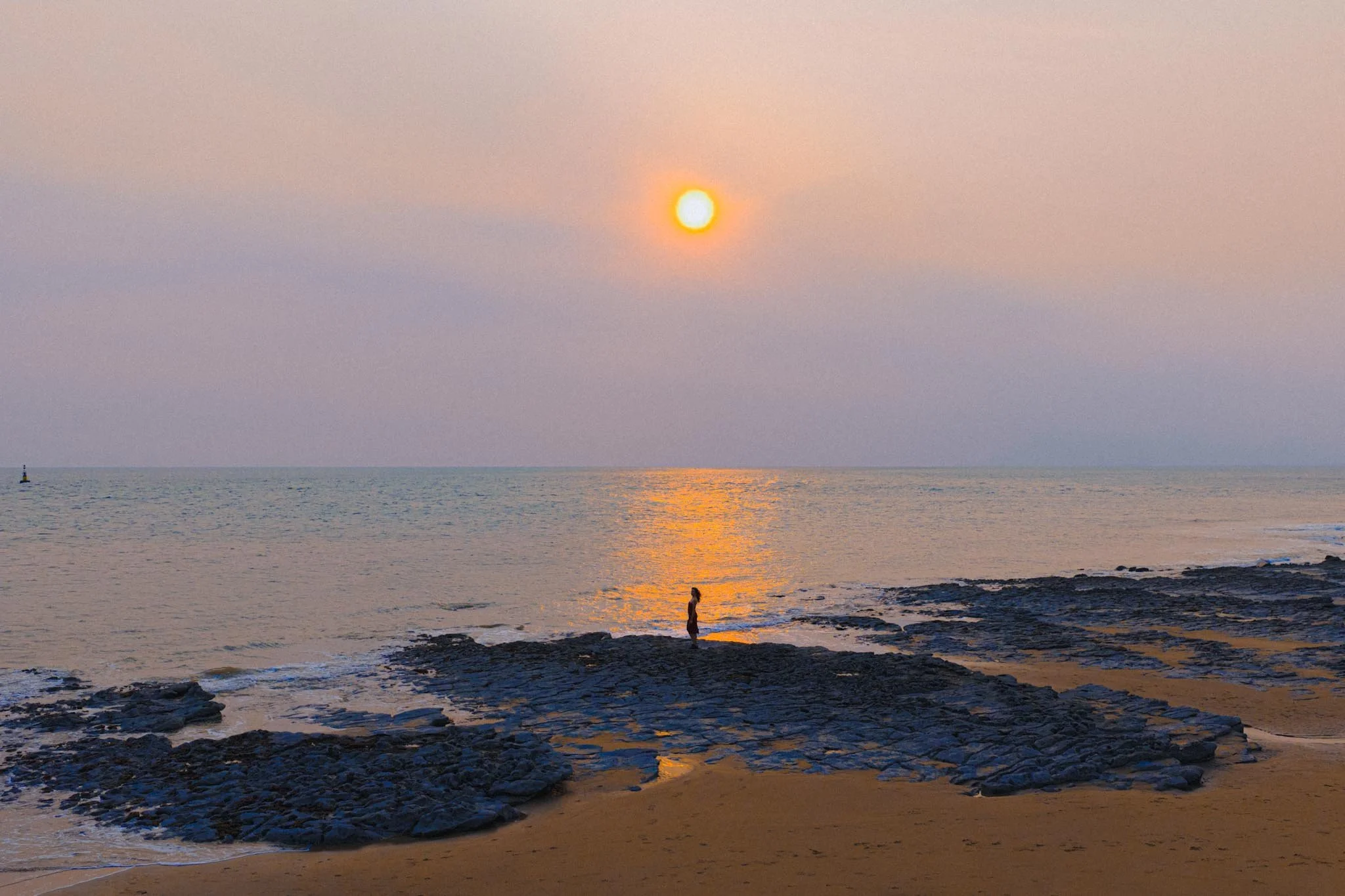
Self-portraiture in landscape can turn a view into a lived moment
When I step into my own photograph, the relationship between myself and the landscape changes. I am no longer only observing the scene. I become part of it.
Before, I was always outside the image, looking in. Now I am inside it, even if only as a small figure. That shift changes how the photograph feels. It begins to represent an experience rather than just a view.
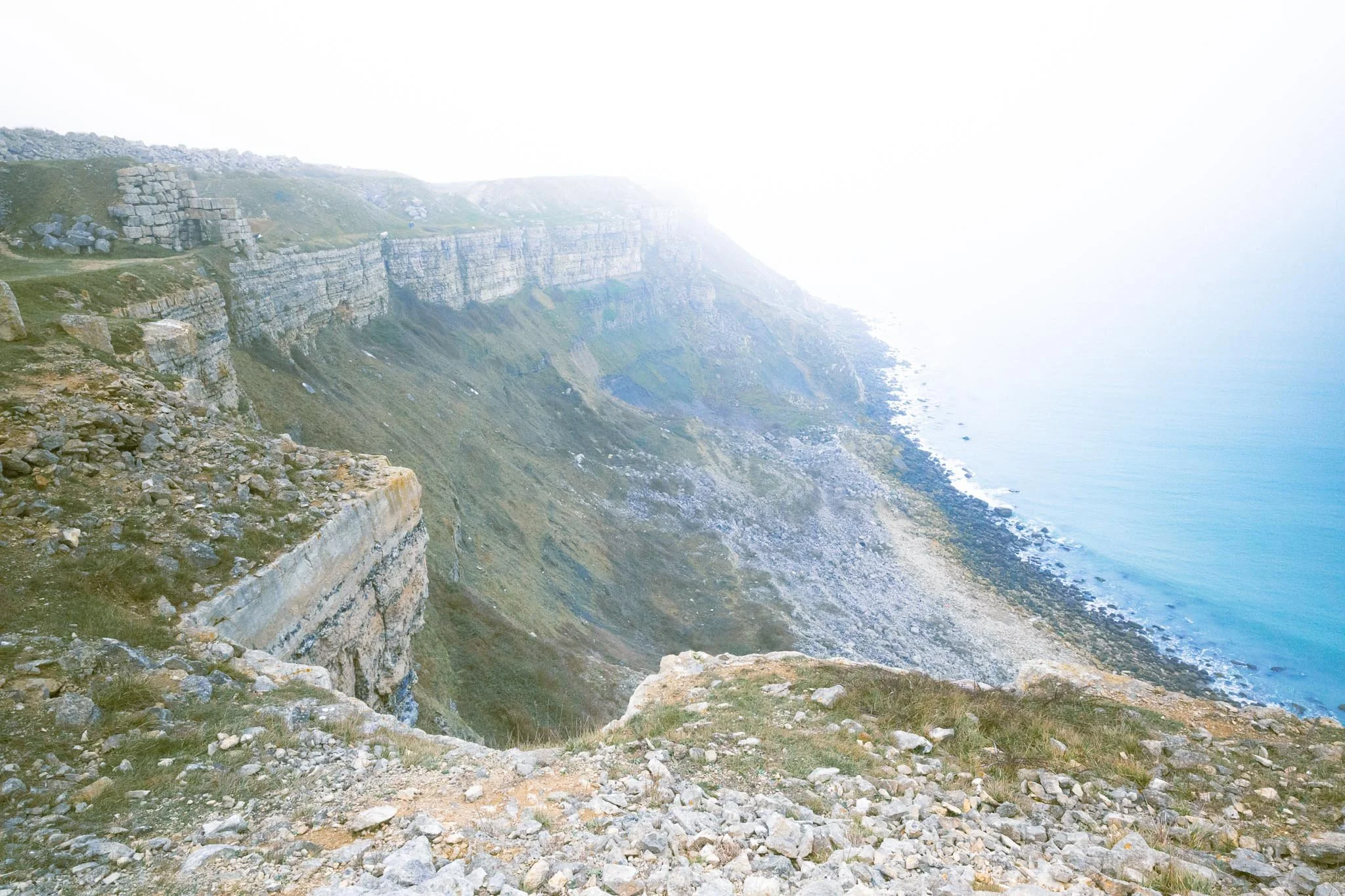
Self-portraiture in landscape can show a place as it is, untouched and distant
A landscape without a person can still be powerful, but it often feels distant. When I include myself, the image becomes more connected to a moment. It starts to feel closer to how I remember being there.
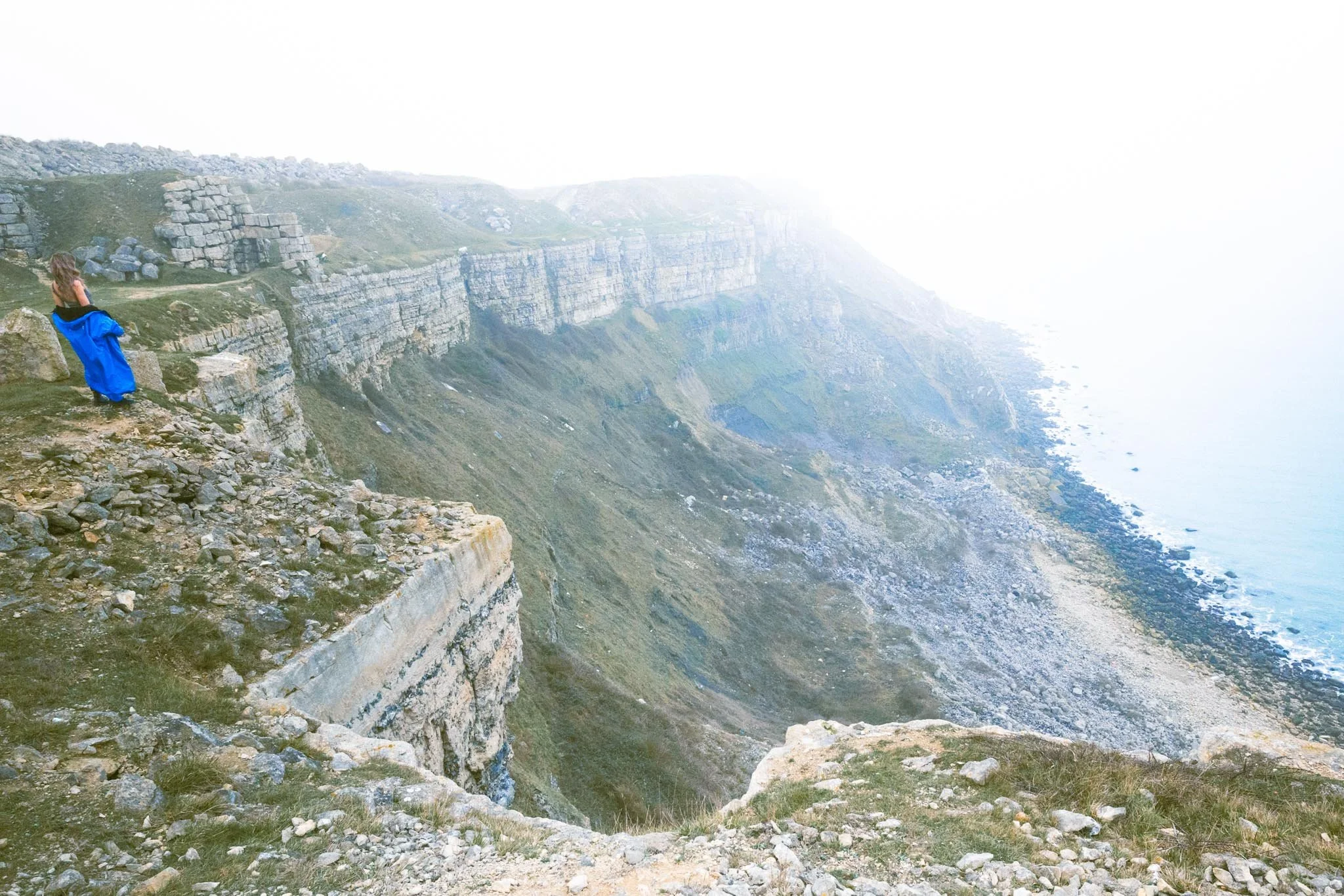
The same picture with a person inside can show how a presence brings the landscape to life
In a way, these photographs become a bridge. They connect the place, my experience of it, and the viewer. The presence of a person allows someone looking at the image to imagine themselves in that same position, standing in that landscape.
2. SHOWING THE SCALE OF THE LANDSCAPE
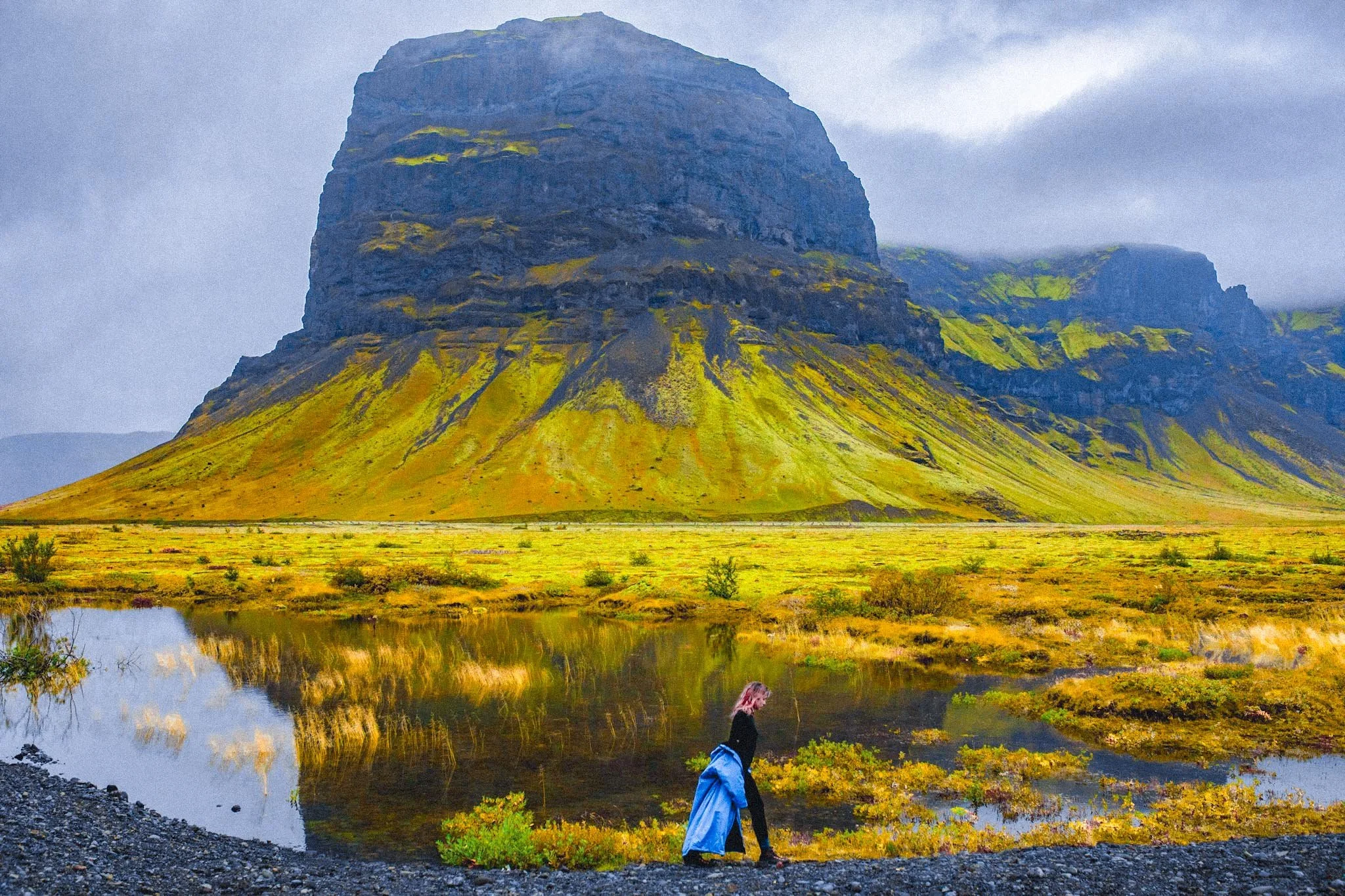
It was only when I stepped into it that the scale became real
One of the challenges with landscape photography is showing scale. Mountains, cliffs and open spaces often appear smaller in photographs than they feel in reality. Without a reference point, it can be difficult to understand their true size.
Including a person changes that immediately. Even a very small figure gives the viewer something to relate to. It creates a sense of proportion and helps the landscape feel larger and more expansive.
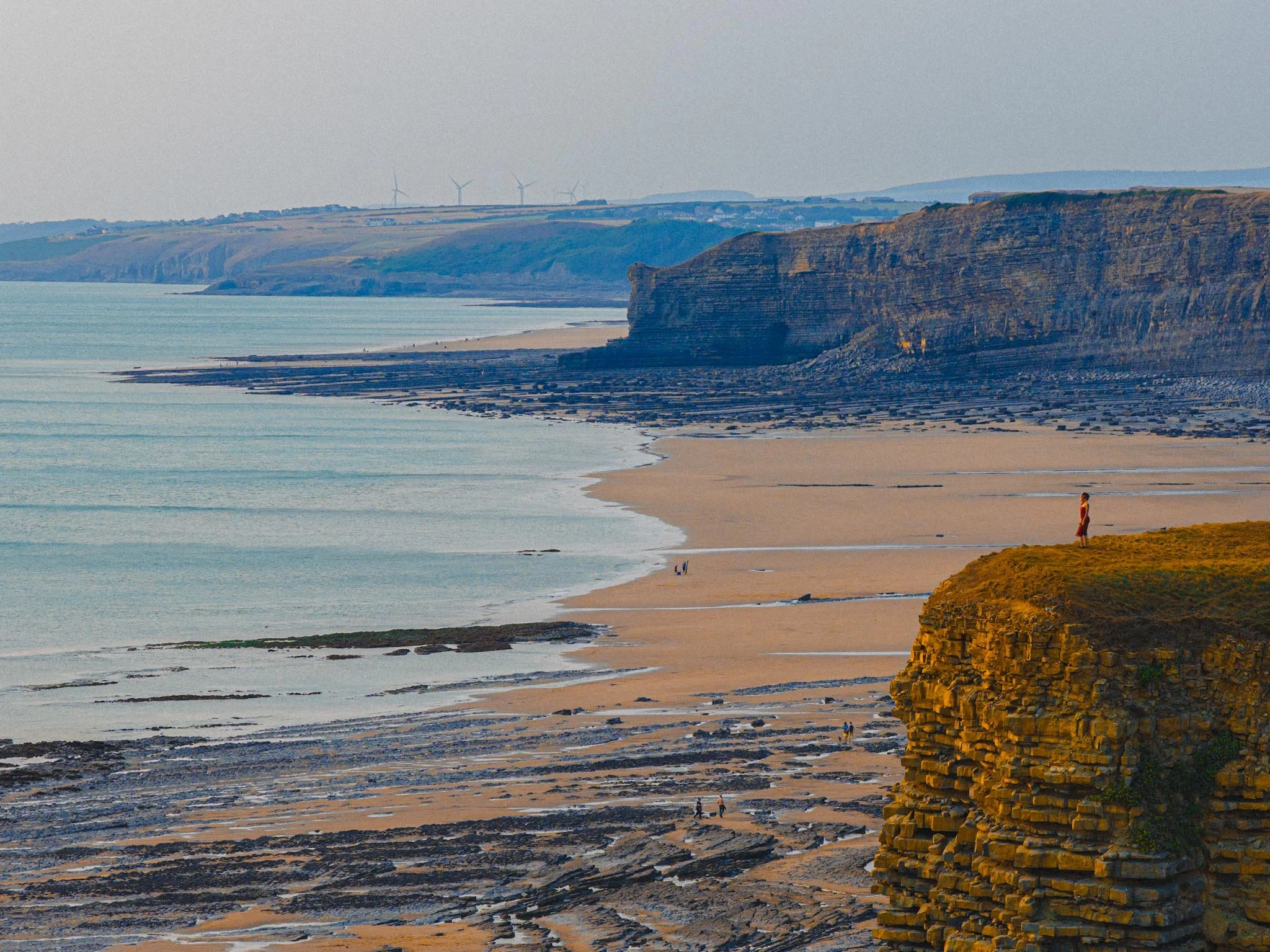
Standing there, the space around me finally made sense
When I place myself in the frame, the space around me becomes more defined. Distances feel longer, heights feel greater, and the overall depth of the scene becomes clearer. It is a simple addition, but it changes how the image is read.
3. CREATING A SENSE OF PRESENCE
Including myself in the photograph also changes how the image is experienced. It creates a sense of presence, as if the viewer is no longer just looking at the scene, but stepping into it.
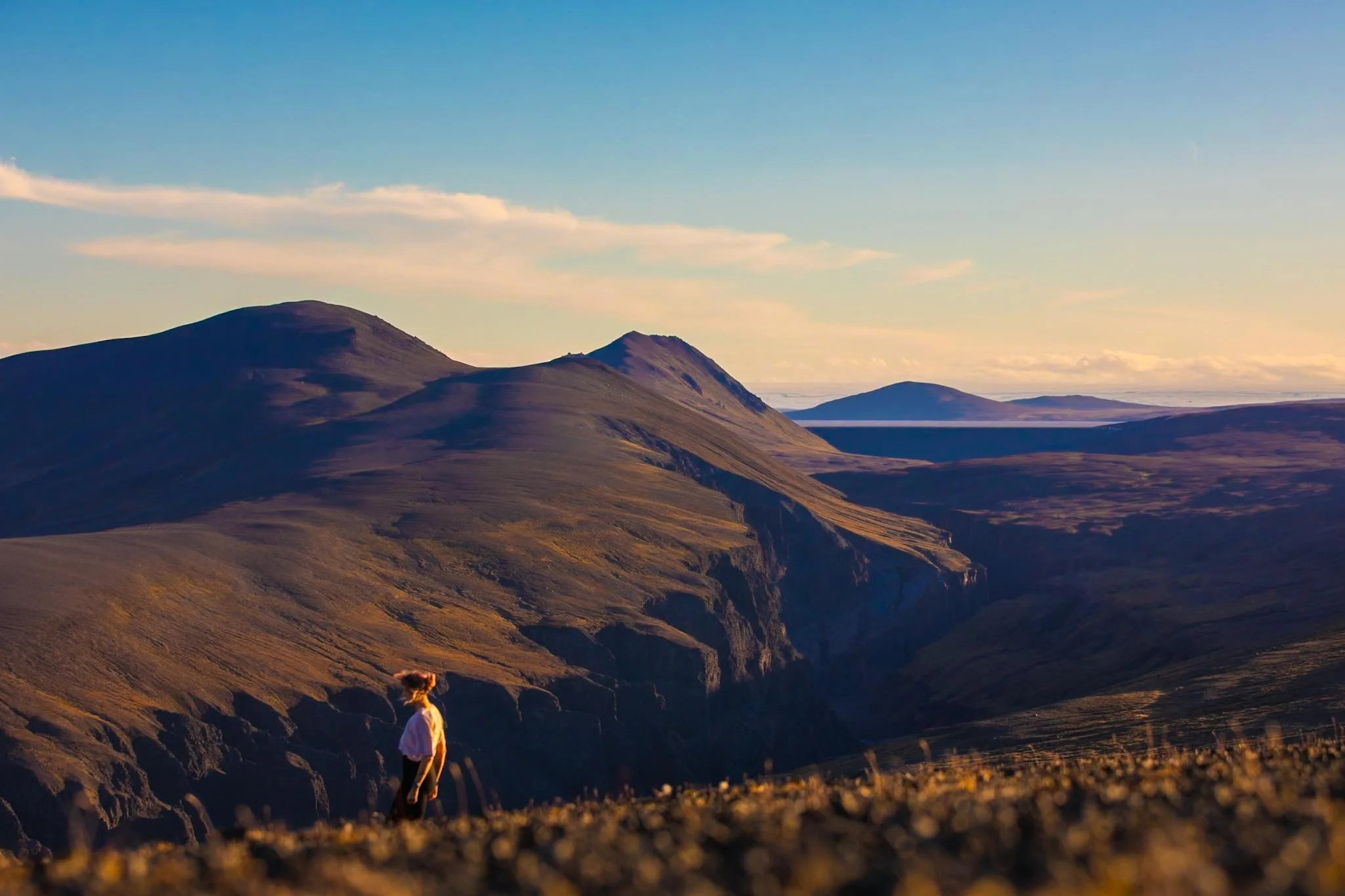
Placing myself within the scale of the landscape
A photograph without a person can feel like something observed from a distance. When a figure appears in the landscape, even as a small element, it becomes easier to imagine what it would be like to stand there.
For me, this makes the image more immersive. It brings the viewer closer to the moment and allows the landscape to feel less distant. It becomes easier to connect with the photograph on a more personal level.
4. PLANNING THE PHOTOGRAPH
Creating self-portraits in the landscape comes with its own challenges. It combines the unpredictability of landscape photography with the added difficulty of placing a person within the frame.
Nothing can be completely random. I always begin with the composition, as this is the foundation of the image. The photograph needs to work as a landscape first, before I step into it.
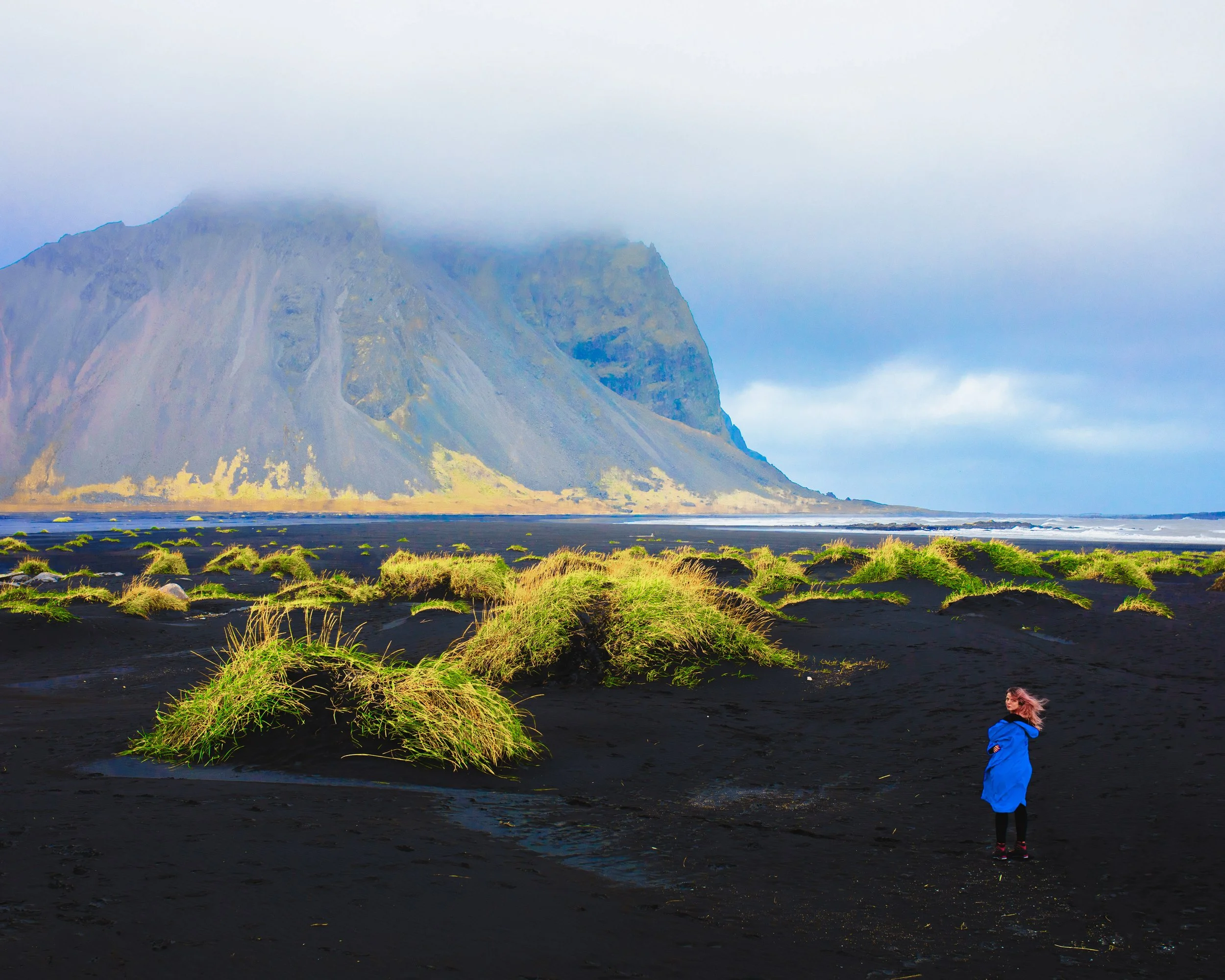
The landscape comes first, then I step into it
Placing myself in the scene often takes time. It rarely works on the first attempt, and I usually need to try different positions before it feels right. This process becomes part of the experience.
I often use a remote or interval shooting to capture the image. It does not always result in perfectly focused frames, but that is not my main concern. I am more interested in preserving the atmosphere of the moment. Sometimes a slightly softer or imperfect image can feel more natural and closer to the experience.
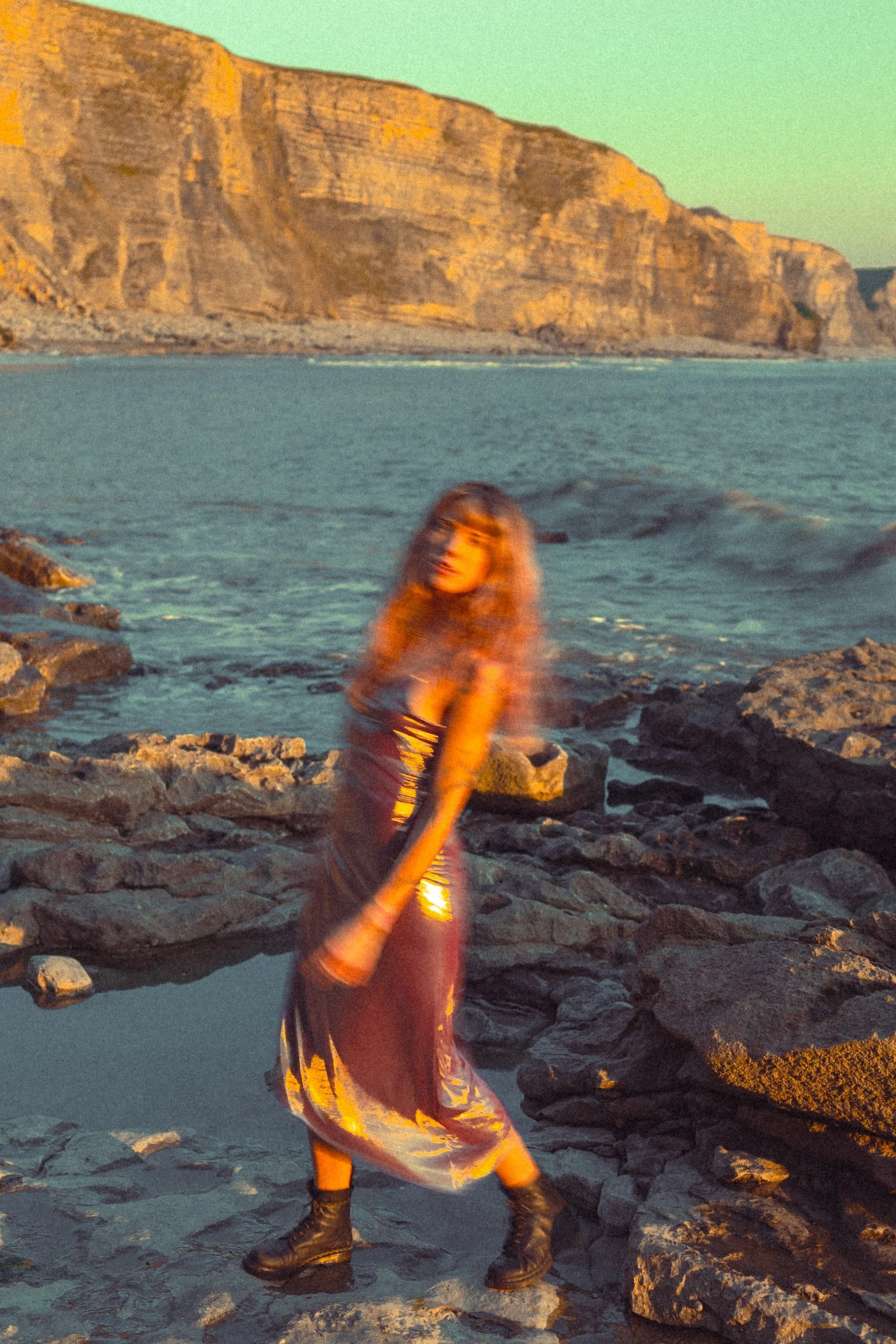
Sometimes the blur says more than perfect focus ever could
Most of the time, I keep the human figure small. The landscape remains the main subject, and the person simply supports the composition.
5. THE BALANCE BETWEEN PERSON AND LANDSCAPE
Finding the right balance between the person and the landscape is essential. The human element should support the image, not dominate it.
For me, simplicity is important. The figure should feel natural within the scene, as if it belongs there. When the balance is right, the photograph feels more cohesive and less staged.
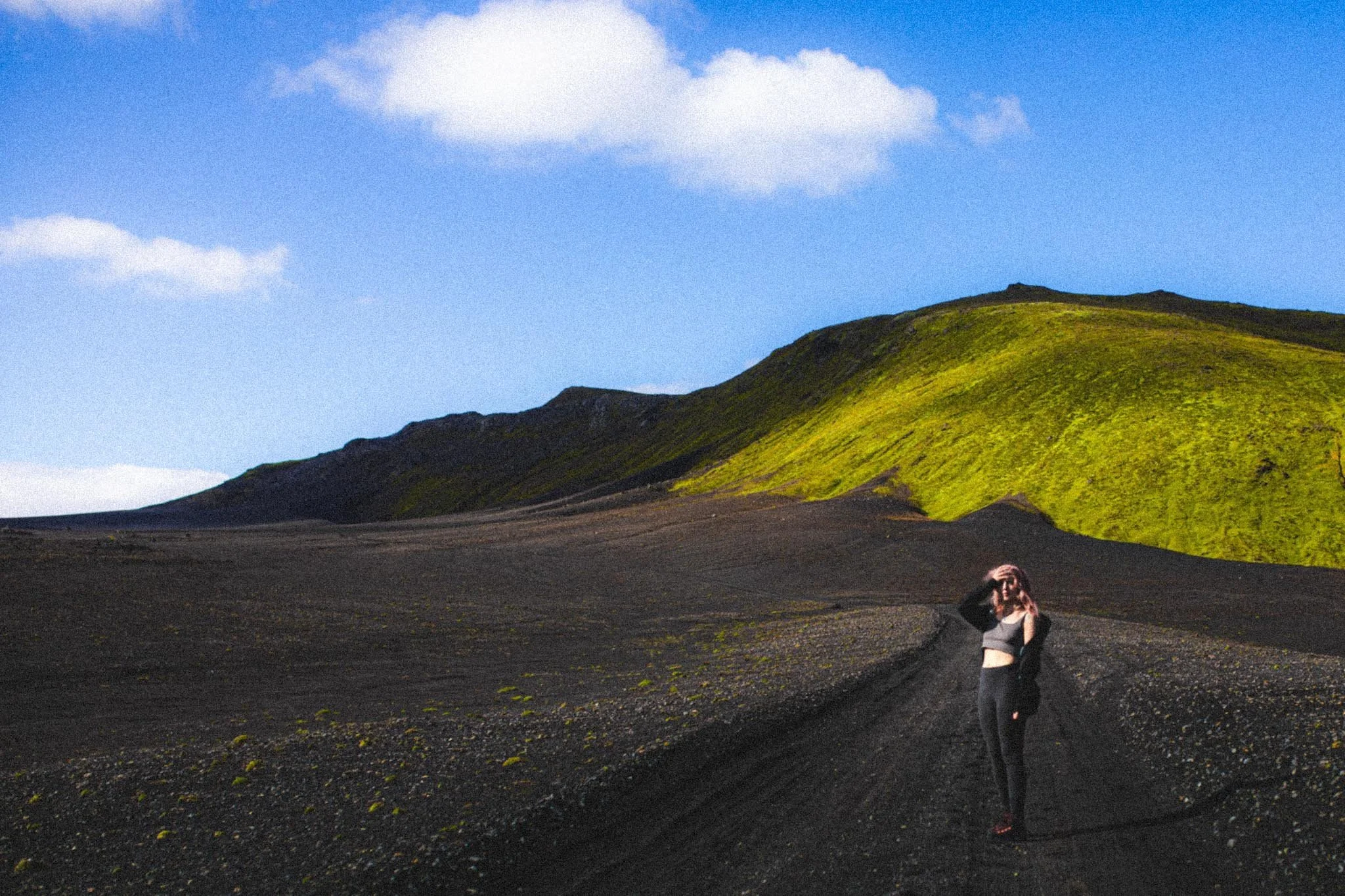
The person supports the landscape, not the other way around
The landscape remains the main subject. The person is there to give context, to support the composition and to connect the viewer to the scene.
6. WHY I CONTINUE TO DO IT
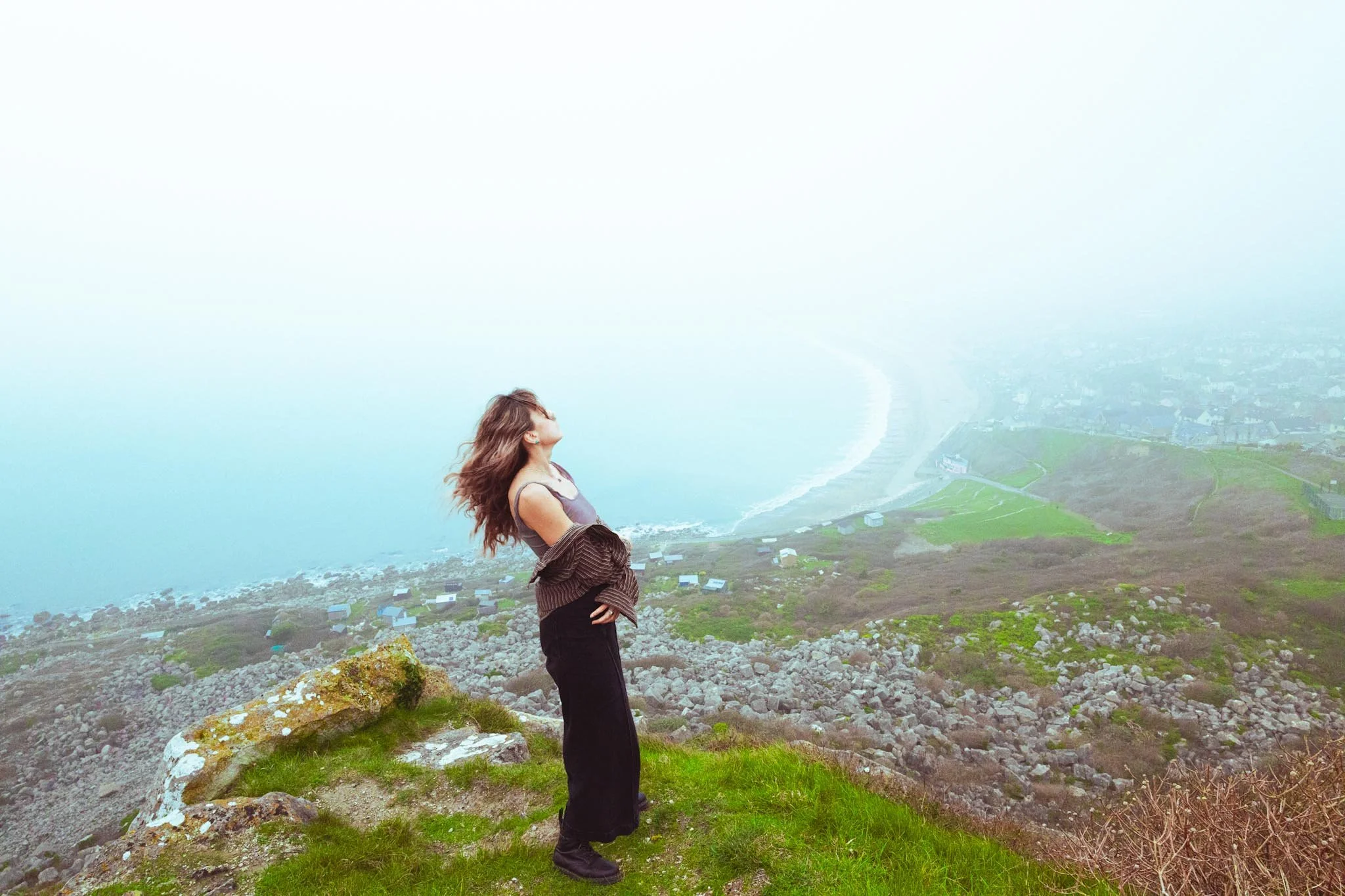
It helps me remember what it felt like to be there
Including myself in my photographs has changed the way I approach landscape photography. It allows me to document not only the place, but also my relationship with it.
Over time, these images have become more meaningful. They represent moments that go beyond the visual. They reflect the experience of being present in a landscape, of spending time there and noticing it fully.
For me, self-portraiture is not about being in the photograph. It is about remembering what it felt like to be there.
I’d love to hear your perspective. How do you approach including people in your landscape photographs?
Enjoying the article? Follow along on Instagram for more of my work
